AT A GLANCE
- ONDA
- 2.45 GHz microwave energy · deep and shallow handpieces
- EMSCULPT NEO
- Synchronized RF heating plus HIFEM muscle stimulation
- Main distinction
- Subcutaneous contour focus versus combined fat-and-muscle planning
- Evidence boundary
- No direct head-to-head trial establishes a winner
- Reviewed
- 5 November 2026
The short answer: ONDA is tissue-heating led; EMSCULPT NEO adds muscle stimulation
ONDA may fit a discussion centered on a selected subcutaneous fat pocket, cellulite appearance or tissue laxity. EMSCULPT NEO may fit when the examined body area and goal include muscle conditioning as well as a contour question. Both deliver energy to tissue, but they do not use the same energy, applicator or treatment logic.
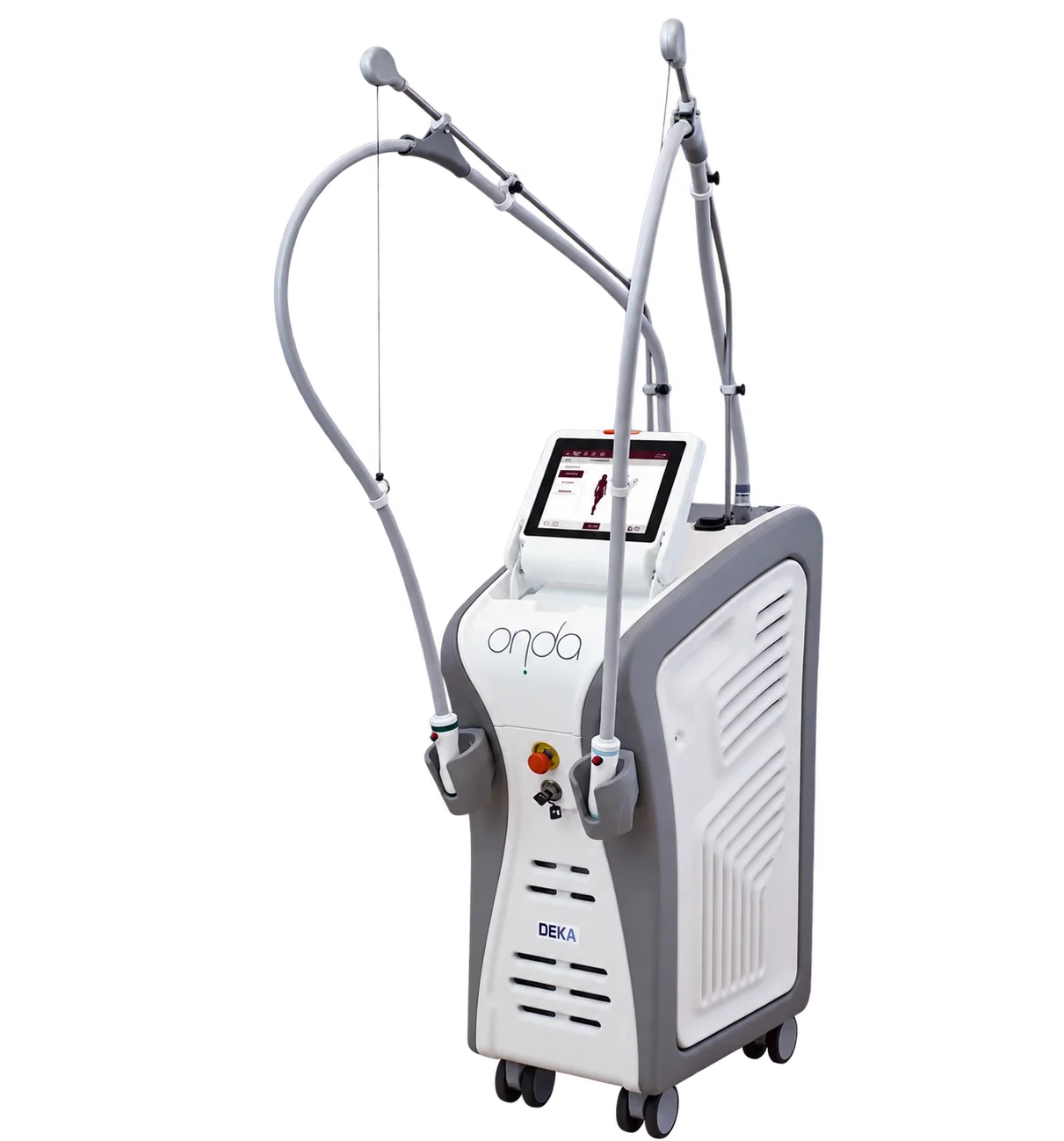
ONDA uses 2.45 GHz microwave energy delivered through deep and shallow handpieces. EMSCULPT NEO uses synchronized radiofrequency heating and high-intensity focused electromagnetic stimulation, or HIFEM, to produce strong muscle contractions. The shared body-contouring label therefore hides a fundamental difference: ONDA does not reproduce the muscle-stimulation component of EMSCULPT NEO.
AP865's current official program lists both platforms. That confirms the consultation scope, not personal suitability or a preset course. The useful first question is not which machine is stronger; it is whether the dominant concern is subcutaneous tissue, muscle conditioning, skin quality, general weight change or a medical issue that neither device should be asked to solve.
What ONDA changes in the planning conversation
DEKA describes ONDA as a microwave platform for noninvasive body shaping and skin laxity. Its current official page identifies a 2.45 GHz source and deep and shallow handpieces. The deep handpiece is presented for localized adiposity, while the shallow handpiece is presented for cellulite, skin-tightening and submental applications.
Those handpiece descriptions are not a diagnosis. The physician still has to examine the thickness, mobility and distribution of the tissue, the condition of the overlying skin and the exact treatment area. A soft abdominal pocket, irregular cellulite appearance and lax skin are different concerns even when the manufacturer groups them on one platform.
ONDA should not be described as weight-loss treatment or a substitute for nutrition, activity or medical management. It also should not be used to make a general claim that all visible fullness is fat. Swelling, a hernia, a mass, pain or another unexplained change needs the appropriate assessment rather than a contouring appointment.
What EMSCULPT NEO adds—and what it does not replace
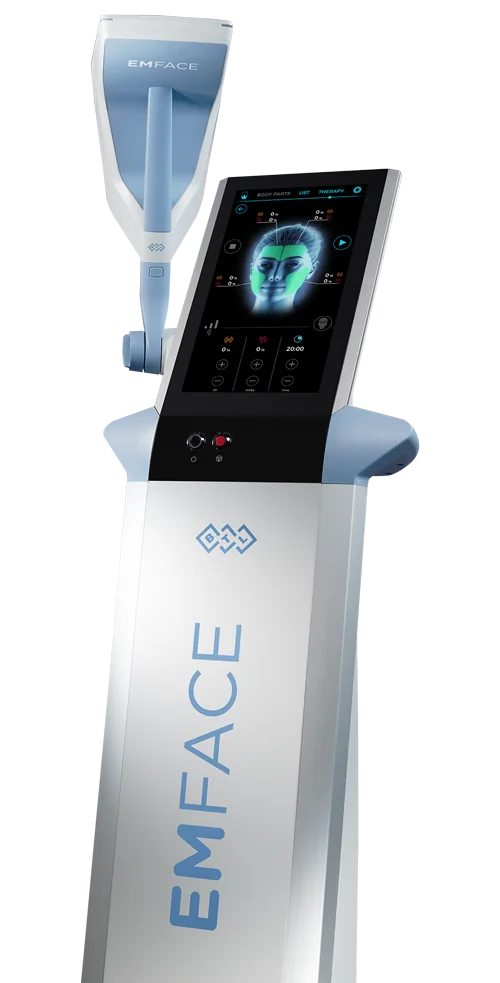
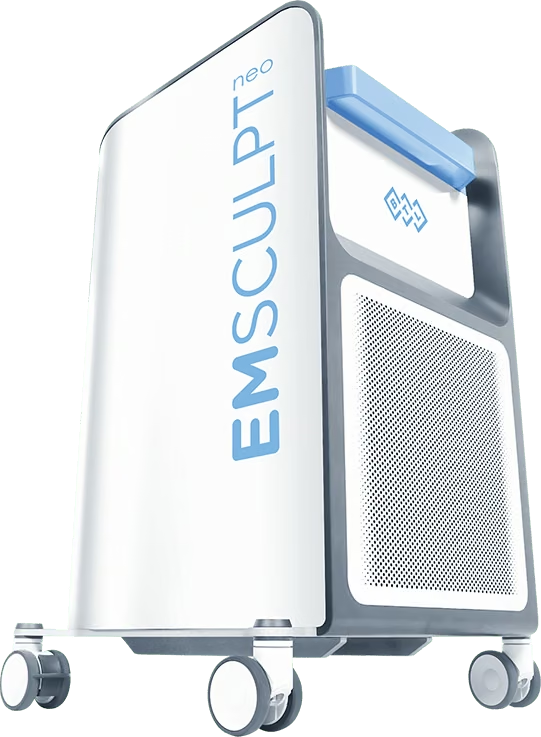
EMSCULPT NEO combines synchronized radiofrequency with HIFEM stimulation in one body applicator. The manufacturer describes radiofrequency heating alongside repeated, intense muscle contractions and offers different applicators for selected body areas. That muscle component is the clearest reason the platform belongs in a different planning category from ONDA.
Muscle stimulation does not make the device exercise, rehabilitation or treatment for weakness. It cannot diagnose a muscle, nerve or movement problem, and a body-contouring study cannot establish personal fitness or medical benefit. The physician should identify the exact area, applicator fit and aesthetic goal before discussing a course.
EMSCULPT NEO also includes a subcutaneous fat claim in its manufacturer information, so the comparison is not simply fat versus no fat. The fair distinction is that ONDA is built around microwave tissue heating and handpiece depth, whereas EMSCULPT NEO deliberately combines tissue heating with strong muscle stimulation. That difference should drive assessment, not a universal winner table.
The evidence supports a cautious comparison—not a winner
The published ONDA evidence is encouraging but limited. A 2023 abdominal study included 19 healthy adults who received three microwave sessions four weeks apart. A separate clinical trial included 53 adults and evaluated abdominal measurements after three microwave treatments. Small samples, different protocols and limited long-term comparative data mean these results cannot predict an individual response.
EMSCULPT and EMSCULPT NEO have a broader literature, but the conclusions are contested. A 2024 systematic review identified 15 clinical studies, only two of which specifically evaluated EMSCULPT NEO, and noted variable methods and incomplete subgroup reporting. Another systematic review judged the measured effects small and highlighted conflict-of-interest and publication-bias concerns.
No direct head-to-head clinical trial was found that establishes ONDA or EMSCULPT NEO as superior for the same person, area and outcome. Results from separate studies cannot be converted into a ranking because the technologies, enrolled participants, treatment courses and outcome measures differ. The evidence is best used to set boundaries and consent—not to promise a transformation.
Choose by the dominant tissue question and the exact body area
A selected subcutaneous contour concern without a muscle-conditioning goal may lead to an ONDA discussion. A selected area where muscle conditioning is part of the aesthetic goal may lead to an EMSCULPT NEO discussion. Skin laxity, cellulite appearance and fat distribution still need to be separated, because one label such as 'tone' can hide several different tissues.
The same person can have more than one concern, but that does not make combining both devices automatically useful. Staging may provide a clearer recovery record and make it easier to attribute a change or unexpected symptom. The plan should explain which problem is being addressed first, why the interval is chosen and what evidence would justify the next step.
A private consultation should preserve four possible outcomes: ONDA, EMSCULPT NEO, another treatment category or no treatment. Someone seeking general weight loss, surgical-level reshaping or care for an unexplained symptom needs a different pathway rather than an expanded device package.
- What exact body area and tissue concern are being examined?
- Is muscle conditioning genuinely part of the goal?
- Which applicator or handpiece is intended, and why?
- Which published protocol is relevant—and what does it not prove?
- How will recovery, photographs and follow-up be documented after Seoul?
Screening matters because both platforms deliver substantial energy
Noninvasive does not mean screening-free. Disclose implanted electronic or metal devices, previous surgery, scars, altered sensation, unresolved pain, skin injury and every prior procedure in the proposed area. Strong muscle stimulation adds its own considerations, so current device instructions and an in-person examination should guide the final decision.
A 2024 systematic review of cosmetic electromagnetic-field devices identified potential hazards including nerve or muscle stimulation, burns or overheating and interactions involving active or passive medical devices. That review covers several device categories rather than proving the risk rate of either platform, but it explains why generic online clearance is not enough.
Published trials use selected participants and controlled protocols. Limited adverse-event reporting does not establish zero risk. Treatment should pause when the history is incomplete, the area cannot be assessed confidently, sensation is impaired or follow-up would be unreliable. A comparison page cannot determine personal eligibility or settings.
Recovery is often manageable, but the sensations differ
ONDA treatment is generally described around controlled heating and cooling at the handpiece. EMSCULPT NEO adds repeated strong muscle contractions to heat, so temporary muscle fatigue, tenderness or a post-workout feeling may occur. Individual experience varies with the area, settings and personal sensitivity.
Minimal scheduled downtime is not the same as no observation or no risk. Stop treatment if heat becomes painful. Seek prompt assessment for a suspected burn or blister, severe or increasing pain, marked swelling, new weakness, persistent altered sensation or another symptom that is unusual or worsening.
For an international visitor, the recovery plan should include time for local review, a written record and a clear contact route after departure. Remote communication can support continuity, but it cannot replace an examination when a significant thermal, neurologic or muscular symptom develops.
How AP865 can make the choice part of one accountable plan
AP865 can begin with the visitor's own concern, body-area examination, previous records and travel responsibilities before naming a machine. The physician can then explain whether the dominant question is subcutaneous contour, muscle conditioning, skin quality or something outside the role of either platform.
If treatment proceeds, the record should identify the exact device, applicator or handpiece, area, date, settings, expected sensations, aftercare and follow-up route. Photographs should use consistent position, distance and lighting, with explicit agreement about privacy, storage and sharing.
The useful outcome is not fitting two devices into one Seoul itinerary. It is leaving with a medically coherent decision, an honest evidence boundary and an accountable review plan. That is how body care can remain physician-led and continuous rather than becoming an isolated machine session.
COMMON QUESTIONS
Before you book
Is ONDA better than EMSCULPT NEO for fat reduction?
No direct head-to-head trial was found that establishes a universal winner. ONDA uses 2.45 GHz microwave energy with different handpieces; EMSCULPT NEO combines radiofrequency with HIFEM muscle stimulation. The relevant choice depends on the examined tissue, body area, goal and safety screening.
Does ONDA build muscle?
ONDA is not a HIFEM muscle-stimulation platform. Its official technology description centers on 2.45 GHz microwave energy for selected subcutaneous contour, cellulite and skin-laxity applications.
Does EMSCULPT NEO only treat muscle?
No. The manufacturer describes synchronized radiofrequency heating as well as HIFEM muscle stimulation. That does not make it a weight-loss treatment or a substitute for exercise, and personal suitability still requires assessment.
Can ONDA and EMSCULPT NEO be combined in one Seoul visit?
Possibly, but there is no automatic reason to combine them. The physician should identify separate tissue goals, screening, order, interval, recovery and follow-up. Staging may make response and unexpected symptoms easier to interpret.
Which treatment has less downtime?
Both are commonly presented without scheduled downtime, but the sensations differ. ONDA centers on controlled tissue heating; EMSCULPT NEO adds strong muscle contractions and may leave temporary fatigue or tenderness. Recovery and risk vary by area and individual.
SOURCES & FURTHER READING
Check the original information
- AP865 — official current program overview
- DEKA — official ONDA technology and handpiece information
- BTL — official EMSCULPT NEO technology information
- PubMed — 2023 ONDA abdominal microwave study
- PubMed — clinical trial of microwave technology for abdominal contour
- PubMed — systematic review of HIFEM with and without radiofrequency
- PubMed — critical systematic review of electromagnetic body contouring
- PubMed — cosmetic electromagnetic-field hazard assessment
Published November 5, 2026 · Last reviewed for factual accuracy November 5, 2026. Product availability, regulation and treatment protocols can change.