AT A GLANCE
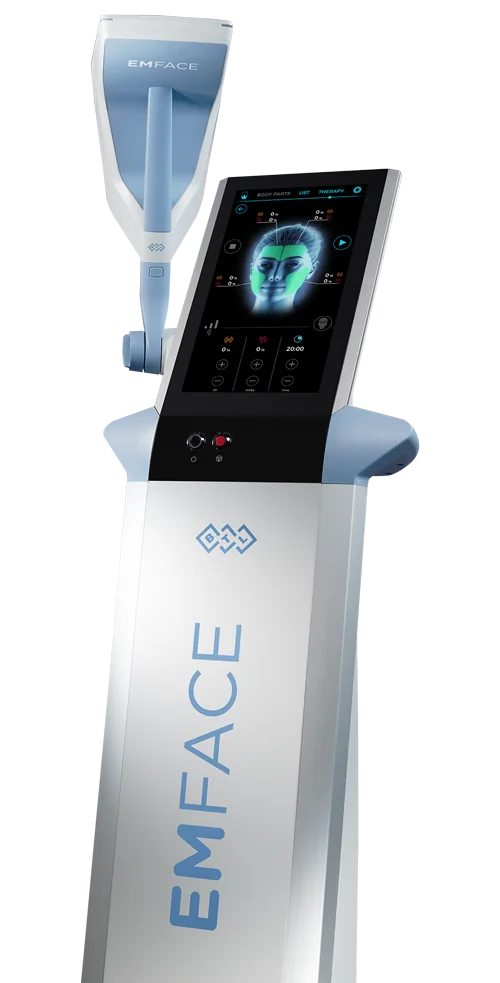
- EMFACE
- Synchronized RF + HIFES
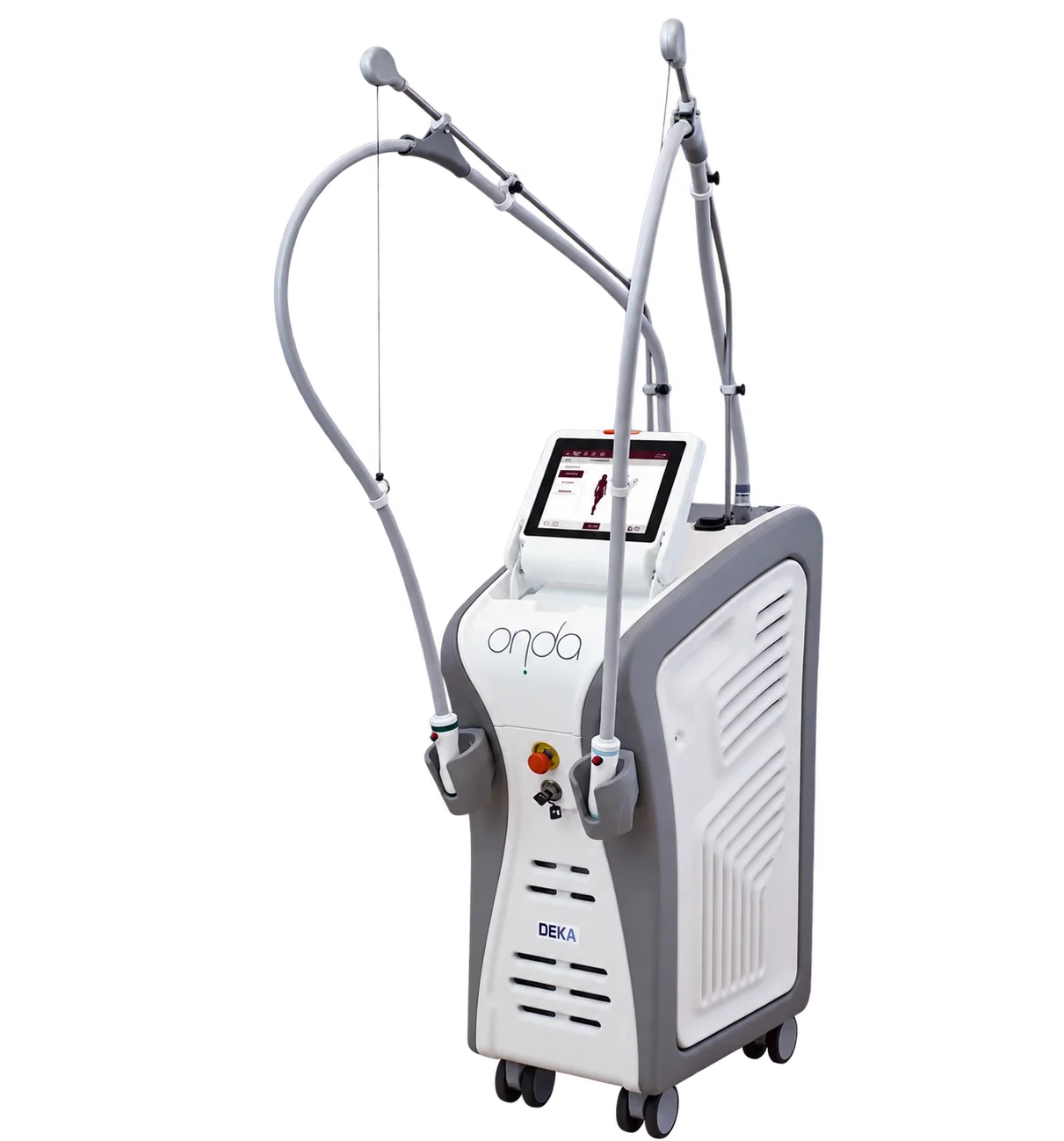
- ONDA
- 2.45 GHz Coolwaves microwave energy
- Decision starts with
- Muscle, fat and skin assessment
- Planning focus
- Tissue cause, area and treatment sequence
The technologies target different tissue
EMFACE uses synchronized radiofrequency and high-intensity facial electrical stimulation (HIFES). The system is designed to heat skin while stimulating selected facial muscles through applicators placed on the face.
ONDA uses 2.45 GHz microwave energy, branded as Coolwaves, with handpieces designed for different tissue depths. It is used in body and localized contouring discussions involving subcutaneous fat, cellulite and skin laxity.
They are not interchangeable versions of one facial. One plan focuses on a skin-and-muscle interaction; the other may be considered when fat distribution or laxity is part of the contour concern.
Why a photograph can be misleading
A heavy lower face may reflect fat pads, skin laxity, bone structure, muscle activity or swelling. A flat midface may involve volume and skeletal support rather than weak muscle alone.
That is why “Which machine is better?” is usually the wrong first question. The doctor needs to identify which tissue creates the shape and whether changing it is likely to produce a balanced result.
- Describe the change you want without selecting the device first.
- Disclose implants, dental work, neurological conditions and prior surgery.
- Ask whether the proposed area is an approved and established use locally.
Why this is not a head-to-head winner question
EMFACE and ONDA do not answer the same anatomical question. EMFACE combines synchronized radiofrequency with facial-muscle stimulation, while ONDA uses microwave energy with device-specific applicators. Comparing them as though they were two brands of the same treatment can hide the more important issue: which tissue is actually contributing to the concern.
Evidence for one platform cannot simply be transferred to the other, and a result reported for one body or facial area does not establish a universal facial protocol. The consultation should separate skin quality, muscle activity, localized fullness, swelling and structural support before a device is selected.
AP865 may also recommend that no device be used at the first visit. When anatomy is unclear, prior treatment records are incomplete or recovery time is too limited, observation and staged planning can be more useful than adding another technology to the schedule.
Sensation, recovery and safety
EMFACE sessions involve strong facial muscle contractions with warmth from RF. ONDA treatment is usually described as producing deep energy delivery while its contact cooling supports the skin surface. Sensation varies with area and settings.
Temporary redness, swelling, tenderness, muscle fatigue or altered sensation may occur depending on the treatment. Device-specific contraindications and precautions must be reviewed before booking.
Electrical or metal implants, pregnancy, active skin problems, impaired sensation and relevant medical conditions should be disclosed. Online photos cannot replace that screening.
AP865 CLINIC's contour-first consultation
AP865 CLINIC assesses facial structure, dynamic muscle movement, pinchable tissue and skin quality before proposing EMFACE, ONDA or a different option. The clinic offers several lifting and contouring technologies, allowing the discussion to begin with the concern rather than a single device.
A plan may be staged, especially when you are traveling. The goal is to understand which change each step is meant to create and how recovery fits the visit.
How privacy, pacing and continuity change the plan
A private consultation allows a visitor to discuss facial change, previous procedures and personal priorities without turning the conversation into a device menu. The physician can examine movement as well as the face at rest, then explain which observation supports each proposed step.
If a course of treatment is discussed, AP865 records the platform, area, date and expected review point so later sessions are not planned from memory alone. That continuity matters when travel separates appointments or when another clinician needs to understand what has already been done.
More technologies in one visit do not automatically create a more refined result. A high-touch plan may deliberately separate treatments, preserve time to observe the response and provide a clear path for follow-up after the visitor returns home.
COMMON QUESTIONS
Before you book
Is EMFACE a fat-reduction treatment?
Its defining technology combines RF with facial muscle stimulation. If facial fullness is the main concern, the doctor should first determine whether fat, swelling, anatomy or laxity is responsible.
Can ONDA be used on the face?
Applicators and locally available indications matter. AP865 CLINIC must assess the exact area and determine whether ONDA or another technology is appropriate.
Can an online photograph show whether muscle or fat is the issue?
Not reliably. A photograph cannot fully show tissue thickness, movement, palpation findings, swelling or the effect of prior procedures. Final selection requires an in-person assessment.
Should EMFACE and ONDA be combined during one visit?
Not by default. They address different tissue questions. Any combination needs a clear reason, compatible areas, an appropriate sequence and enough recovery and follow-up time.
SOURCES & FURTHER READING
Check the original information
- BTL Aesthetics — EMFACE patient information
- DEKA — ONDA official product information
- DEKA — ONDA PRO official product information
- AP865 CLINIC — official treatment program overview
Published July 31, 2026 · Last reviewed for factual accuracy October 15, 2026. Product availability, regulation and treatment protocols can change.