
AT A GLANCE
- Short answer
- There is no universal makeup interval
- Procedure type
- Percutaneous RF microneedling
- Barrier evidence
- Small studies show temporary barrier change can outlast the appointment
- Decision point
- Exact setup, observed recovery and clinician instructions
- Reviewed
- 10 November 2026
The short answer: do not treat Potenza like a no-downtime facial
There is no universal evidence-based rule saying that everyone can wear makeup 12, 24 or 48 hours after Potenza. The current Potenza device record and manufacturer information reviewed for this guide do not publish a makeup interval. RF microneedling is percutaneous, and recovery can change with the disposable tip, needle depth, RF mode, energy, passes, treatment area and individual response.
Makeup should return only after the treating clinician has explained the personal aftercare plan and the skin is following the expected course. Do not cover active bleeding, weeping, open or abraded skin, marked heat, worsening pain, blistering, unusual color change, significant swelling, spreading redness, drainage or another unexpected reaction. Those findings need clinical review rather than cosmetic camouflage.
AP865's current official program lists Potenza for pore and texture concerns. That confirms the scope of the consultation, not that Potenza or a same-day makeup plan fits every visitor. The physician should identify the concern, choose or decline the procedure after examination and document when cosmetics may safely return for the actual setup used.
Why the treatment creates a different makeup question
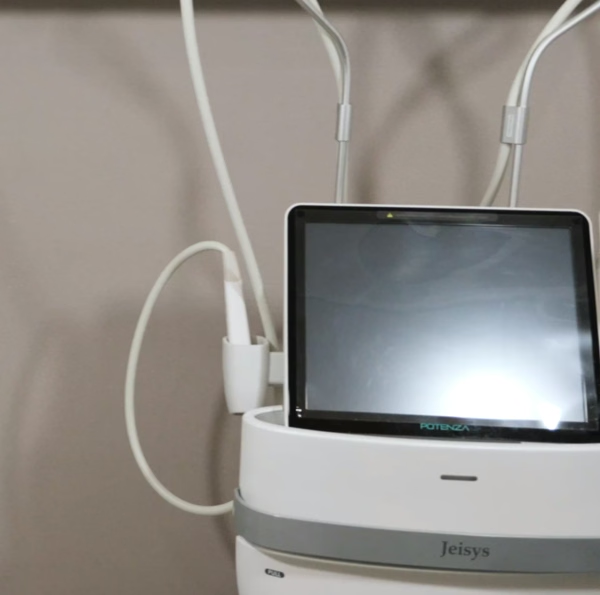
The US FDA 510(k) summary describes Potenza as a prescription RF electrosurgical device that delivers energy through electrode tips for soft-tissue electrocoagulation and hemostasis. Official manufacturer material lists multiple insulated, semi-insulated, fusion and single-needle designs together with monopolar or bipolar RF at 1 or 2 MHz. A platform name therefore does not describe one identical skin exposure.
The FDA's patient information explains that medical microneedling devices penetrate living skin layers and lists dryness, roughness, tightness, redness, itching, peeling, discomfort, burning, bruising, bleeding and crusting among common risks. It also lists infection and stinging or itching when cosmetic products are applied as less common risks. That does not prove that makeup causes every reaction, but it explains why immediate application should not be treated as automatic.
A careful answer separates the evidence from a clinic's practical rule. No direct trial identified for this guide randomized people to different makeup-return times after Potenza. A provider may use a conservative interval based on the procedure and observed skin, but that interval is personal aftercare—not a universal result proven by the device name.
Barrier recovery cannot be reduced to one clock
A prospective study of 20 people treated with a microneedle fractional RF system found that transepidermal water loss rose during days one to three and returned to baseline by day seven. The study evaluated a different protocol and did not test makeup, infection or Potenza specifically. It cannot be converted into either a seven-day makeup ban or permission to apply cosmetics sooner.
A 2026 systematic review of 20 RF microneedling studies involving 558 participants found that redness and swelling were the most common adverse events and were usually mild and temporary. The devices, treatment areas, parameters and outcome methods varied, and some authors disclosed industry relationships. Category-level recovery data do not establish one person's barrier status after a particular Potenza setup.
This is why the skin response matters as much as elapsed time. The clinician should consider whether the surface is intact, whether bleeding or crusting occurred, whether redness and swelling are settling, and whether any added treatment changes the plan. A fixed event schedule should not overrule those observations.
When to wait—and when to seek assessment
Wait and contact the treating clinic when the skin is more painful, hot, swollen, red, numb, weak, blistered, crusted or discolored than the personal aftercare plan described, or when there is drainage, fever, eye symptoms or another rapidly worsening change. Makeup can hide progression and add friction or product exposure to skin that needs examination.
In October 2025, the FDA warned about reports of serious complications with certain uses of RF microneedling devices, including burns, scarring, fat loss, disfigurement and nerve damage. The warning does not mean every Potenza procedure causes these outcomes, but it makes prompt evaluation more important when recovery is unexpected.
An online photograph cannot reliably assess skin temperature, sensation, tenderness, depth of injury or infection. Remote follow-up can organize information, but a potentially serious or rapidly worsening reaction needs timely in-person medical care. International visitors should know where that care is available before leaving Seoul.
- Do not use foundation or concealer to hide a burn, blister, drainage or worsening redness.
- Do not scrub away crusting or peeling to make the surface look smoother.
- Use the clinic's urgent-contact route when recovery differs from the written plan.
- Seek in-person assessment for severe, progressive or neurologic symptoms.
If makeup returns, keep the routine simple and traceable
Once the treating clinician says makeup may return, use products the skin has tolerated before rather than testing a new foundation during travel. Apply with clean personal hands or tools, avoid aggressive rubbing and remove makeup gently. General American Academy of Dermatology guidance also advises not sharing makeup or applicators and keeping brushes clean; that is hygiene guidance, not a Potenza timing study.
Ask which cleanser, moisturizer and sunscreen belong in the first post-procedure routine and which active ingredients should wait. A product marketed as gentle, mineral or non-comedogenic can still sting or trigger contact irritation in an individual. Stop and contact the clinic when a product causes persistent burning, itching or swelling.
Do not layer several cosmetics simply because redness is visible. An important meeting or photo shoot is a reason to build a recovery margin, not to promise immediate concealment.
Combined treatment changes the answer
If Potenza is paired with a peel, laser, injectable, another energy device or a stronger topical protocol, makeup timing should follow the more restrictive recovery plan. The absence of a universal Potenza interval does not authorize an improvised same-day combination, and the skin may respond to more than one intervention.
The FDA states that microneedling devices are not approved for delivering cosmetics, topical medicines, vitamins, drugs or blood products into the skin. A Potenza fusion or pumping tip should not be interpreted as permission to place any chosen product through newly created channels. Every proposed adjunct needs its exact identity, route, regulatory basis, sterility plan, evidence and risks explained separately.
Staging treatments can make recovery easier to interpret and preserve the option to stop. A private physician-led plan may therefore simplify the appointment, move one step to a later date or recommend consultation only when the itinerary leaves too little time for observation and follow-up.
Plan the appointment around real life, not a recovery promise
Tell the clinic when makeup must be worn, whether professional makeup artists or shared tools will be involved, and whether a wedding, broadcast appearance, long flight or outdoor schedule follows. The physician can then decide whether the proposed depth, area and timing are coherent or whether another date or treatment category is safer.
Bring the names and dates of recent lasers, peels, injections, threads, surgery and energy treatments, along with current skincare, medicines, allergies and any history of cold sores, pigment change or unusual healing. An online consultation can organize those details, but it cannot choose the final tip, settings or makeup-return time without examining the skin.
If the skin must look unchanged immediately, the honest plan may be assessment only. Preserving the option not to treat is part of concierge care, especially for a visitor who cannot remain in Seoul for local review.
What a private AP865 aftercare record should include
A useful record should name Potenza, the treatment date and areas, the disposable tip, monopolar or bipolar mode, frequency when relevant, physical needle depth, passes or other settings the clinic can appropriately document, every adjunct, expected reactions and the contact route. It should also state when cleansing, moisturizer, sunscreen and makeup may resume for that specific visit.
The clinician should observe the immediate response before the visitor leaves and explain which changes are expected, which require a message and which need in-person or urgent care. This is more useful than a generic downtime label because it connects the instructions to the actual procedure and skin response.
For international visitors, continuity includes a plan for photographs, privacy and cross-border communication after departure. Another licensed clinician should be able to understand what was done if local assessment becomes necessary. That record turns one appointment into a traceable part of longer-term skin and aging care.
COMMON QUESTIONS
Before you book
How long should I wait to wear makeup after Potenza?
There is no universal evidence-based interval in the current official sources reviewed. The exact tip, depth, RF settings, treated area, bleeding or crusting and observed skin response should guide the treating clinician's written advice.
Can I wear makeup the same day if the redness looks mild?
Do not assume mild-looking redness means the skin is ready. RF microneedling penetrates living skin, and temperature, tenderness, barrier change and early complications cannot be judged from color alone. Ask the treating clinician after the actual procedure is reviewed.
Why can makeup sting after microneedling?
The FDA lists stinging or itching when cosmetic products are applied as a less common microneedling risk. Temporary dryness, tightness, redness, peeling, bleeding and crusting can also occur, so product tolerance may differ during recovery.
What if Potenza is combined with another treatment?
Follow the more restrictive recovery plan. A peel, laser, injectable, another energy device or added topical protocol can change barrier, bruising, infection and attribution concerns. The physician should choose the sequence and document every component.
Which symptoms should be checked before makeup returns?
Worsening pain, marked heat or swelling, a burn or blister, unusual color change, spreading redness, drainage, fever, new numbness or weakness, eye symptoms or another rapidly worsening change needs prompt clinical assessment rather than cosmetic concealment.
SOURCES & FURTHER READING
Check the original information
- AP865 — official current program overview
- US FDA — Potenza 510(k) summary K231216
- Cynosure — official Potenza physician brochure and safety information
- US FDA — microneedling device uses, risks and patient information
- US FDA — RF microneedling safety communication
- PubMed — prospective study of barrier function after microneedle RF
- PubMed — 2026 systematic review of RF microneedling for facial rejuvenation
- American Academy of Dermatology — makeup hygiene guidance
Published November 10, 2026 · Last reviewed for factual accuracy November 10, 2026. Product availability, regulation and treatment protocols can change.