AT A GLANCE
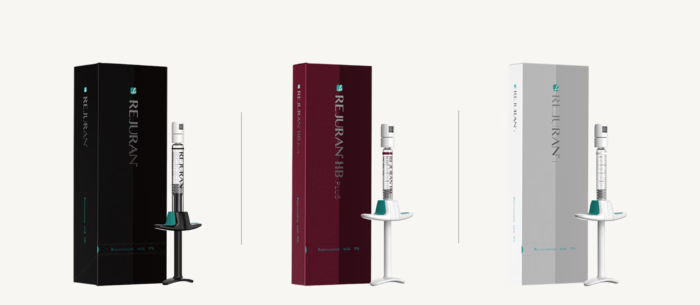
- Rejuran I
- 1 mL syringe containing sodium polynucleotide; the Korean product page states temporary improvement of adult facial wrinkles
- Rejuran HB Plus
- 1 mL syringe containing sodium polynucleotide, sodium hyaluronate and lidocaine hydrochloride hydrate
- HB Plus label
- Temporary improvement of adult crow's-feet through physical restoration after subcutaneous injection of HA and PN
- Reviewed
- 22 October 2026
The short answer: choose by area, formula and medical history
Rejuran I is the PN-only option in this comparison. Rejuran HB Plus combines PN with hyaluronic acid and lidocaine, and its Korean manufacturer page names adult crow's-feet as its labeled purpose. That means HB Plus should not be described simply as a more comfortable Rejuran I, and Rejuran I should not be assumed to fit every thin-skin or under-eye concern.
The physician first needs to determine what the visitor is actually trying to change. Fine wrinkles, crepey texture, a structural tear trough, pigment, swelling and lower-eyelid laxity are different findings. A product name cannot make those diagnoses or establish that an injection is appropriate.
At AP865, the useful decision is therefore not which syringe is more popular. It is whether either product fits the examined area, the Korean label, the person's allergy and procedure history, tolerance for visible recovery and access to follow-up after leaving Seoul.
What the official product information actually says
PharmaResearch's current Korean product page lists Rejuran I as a 1 mL syringe made with sodium polynucleotide and states that it is used for temporary improvement of adult facial wrinkles. The manufacturer's English page adds examples of areas, but local use should be confirmed against the Korean label and the physician's assessment rather than inferred from international marketing language.
The current Korean page for Rejuran HB Plus lists sodium polynucleotide, sodium hyaluronate and lidocaine hydrochloride hydrate. Its stated purpose is temporary improvement of adult crow's-feet through physical restoration after subcutaneous injection of HA and PN.
These are meaningful formulation and labeling differences. They do not prove that one product produces a better result, looks natural for every person or is appropriate for an area that has not been examined. Ask to see the sealed product and confirm the exact name before treatment.
Why the treatment area changes the conversation
PharmaResearch describes Rejuran I as having lower viscosity and greater spread than its original Rejuran product and positions it for thin skin such as the eye area. That manufacturer statement helps explain the product design, but it does not turn every under-eye concern into an indication for PN injection.
Under-eye darkness can reflect pigment, visible vessels, shadowing, anatomy, edema or more than one factor. A hollow tear trough is not the same as fine surface lines, and a person with prominent puffiness may need a different discussion from someone whose main concern is crepey skin.
HB Plus has a more specific Korean labeled purpose involving adult crow's-feet. If another area is being proposed, ask the physician to explain the regulatory basis, evidence, expected benefit, alternatives and added risks instead of assuming that all facial zones are interchangeable.
Lidocaine may change comfort, not the need for screening
HB Plus contains lidocaine, a local anesthetic. PharmaResearch states that the ingredient was added to reduce treatment discomfort compared with its original Rejuran product. That does not guarantee a painless appointment: needle entry, the number and depth of injections, tissue sensitivity and technique can still affect how treatment feels.
A history of allergy or a previous unexpected reaction to lidocaine, local anesthetics, injectable products or related materials must be disclosed before treatment. The physician also needs current medicines and supplements, bleeding or bruising history, active skin inflammation or infection and recent procedures in the same area.
Numbing cream, cooling, an injector device or another comfort measure should not be added automatically. Ask what is being used, why it is appropriate, what reactions are expected and how the plan changes if pain is unusual rather than routine.
Evidence supports a cautious discussion, not a direct winner
A randomized, double-blind, split-face study enrolled 27 subjects and compared a PN filler on one periocular side with non-crosslinked HA on the other. Participants received three treatments at two-week intervals. The study reported no serious adverse events and found differences in some measured skin-quality outcomes, but it did not compare Rejuran I directly with Rejuran HB Plus.
The study was small, used repeated sessions and cannot establish that either named AP865 product is superior for one person's anatomy or itinerary. Product formulation, injection plan, outcome measures and follow-up all matter when translating a category-level study into a consultation.
An older 2014 trial of a PN filler for crow's-feet was formally retracted in 2016. It should not be used as proof of durability, effectiveness or safety. The current decision should rest on valid evidence, the specific product label and an examination—not on a familiar citation that has been withdrawn.
Plan for visible recovery and rare urgent problems
Small raised injection points, redness, swelling, tenderness, bruising or itching can be visible after facial injections. The number of deposits, area, technique and individual response may change how noticeable or persistent they are. No universal photo-ready time can be promised for either product.
FDA guidance for injectable fillers describes uncommon but serious risks including infection, nodules, allergic reaction, tissue injury and accidental injection into a blood vessel, which can cause skin necrosis, vision abnormalities, blindness or stroke. That guidance is not a US approval statement for these Korean products; it is a relevant safety boundary for facial injection discussions.
Unusual or worsening pain, a white, gray or blue color change, visual disturbance, weakness, speech difficulty, spreading redness, drainage, fever, breathing difficulty or another rapidly worsening response needs prompt in-person assessment. A fixed flight or event should never be used to dismiss a warning sign.
Questions a private AP865 consultation should answer
Bring the exact concern, previous procedure dates and areas, known allergies, medicines and supplements, past reactions, event date and departure time. Photographs can help organize a history, but lighting and expression can misrepresent under-eye color, swelling and contour; the final decision still needs an in-person examination.
Ask the physician to name the product, its labeled purpose, the reason it fits the examined area, planned amount and placement approach, expected visible recovery, alternatives and warning signs. Also confirm what information will be recorded and how an unexpected response can be reviewed after departure.
A concierge plan can end with Rejuran I, HB Plus, another approach, staged care, observation or no injection on this trip. Protecting privacy and continuity means preserving that choice rather than turning a product comparison into a package recommendation.
- Which finding are we treating: fine lines, texture, hollowing, pigment, visible vessels, swelling or laxity?
- Why does the proposed product fit this exact area and its Korean label?
- Does the formula contain lidocaine or another ingredient relevant to my allergy history?
- What visible recovery is reasonable for this placement and injection plan?
- Which symptoms require same-day examination or urgent care after I leave?
COMMON QUESTIONS
Before you book
What is the main difference between Rejuran I and HB Plus?
Rejuran I contains sodium polynucleotide. HB Plus contains sodium polynucleotide, sodium hyaluronate and lidocaine hydrochloride hydrate. Their current Korean manufacturer pages also state different labeled purposes, so they should not be treated as interchangeable syringes.
Is Rejuran HB Plus always the less painful option?
HB Plus contains lidocaine and the manufacturer describes reduced discomfort compared with original Rejuran, but pain is not eliminated or predictable. Needle entry, area, number and depth of injections, technique and individual sensitivity still matter.
Is Rejuran I only for the under-eye area?
The Korean product page states temporary improvement of adult facial wrinkles, while manufacturer materials describe a lower-viscosity, more spreadable design suited to thin skin. The exact area and indication still require confirmation against the current local label and an in-person examination.
Can either product fill a tear trough?
Do not assume that a skin-quality injection is a structural tear-trough treatment. Hollowing, fine lines, pigment, visible vessels and swelling require different assessment, and the physician should explain the goal, product label, alternatives and risks for the actual anatomy.
What should I confirm before a Rejuran injection in Seoul?
Confirm the exact sealed product, ingredients, labeled purpose, treatment area, planned amount and placement approach, allergy and procedure history, expected recovery, warning signs, written record and a route to in-person follow-up after departure.
SOURCES & FURTHER READING
Check the original information
- AP865 — official current program overview
- PharmaResearch — official Korean Rejuran I product information
- PharmaResearch — official Korean Rejuran HB Plus product information
- PharmaResearch — official product-line announcement for Rejuran I
- PubMed — randomized split-face study of periocular PN and noncrosslinked HA
- PubMed — formal retraction notice for the 2014 PN crow's-feet trial
- US FDA — facial injectable filler risks and patient safety guidance
Published October 22, 2026 · Last reviewed for factual accuracy October 22, 2026. Product availability, regulation and treatment protocols can change.