
AT A GLANCE
- Flight interval
- No EMFACE-specific waiting period was identified in the current sources reviewed
- Treatment format
- Noninvasive surface applicators deliver synchronized RF and HIFES
- Published evidence
- Small facial studies used four sessions and did not compare flight timing
- Reviewed
- 26 October 2026
The short answer: there is no EMFACE flight countdown
The current AP865 program, BTL patient information, peer-reviewed EMFACE studies and CDC air-travel guidance reviewed for this guide do not state an EMFACE-specific waiting period before flying. A flight is not known to reverse the treatment, but the absence of a published interval is not automatic clearance for a same-day departure.
EMFACE is noninvasive and uses surface applicators, so its recovery discussion is different from surgery, injections or RF microneedling. The practical question is whether the treating physician has assessed the immediate response, whether pain or excessive heat occurred and whether an unexpected symptom can be examined before the visitor leaves Seoul.
No study identified for this guide compared same-day, next-day and later flights after EMFACE. Giving every traveler one fixed number of hours would therefore be an invented rule rather than evidence-based advice.
What the actual EMFACE platform does
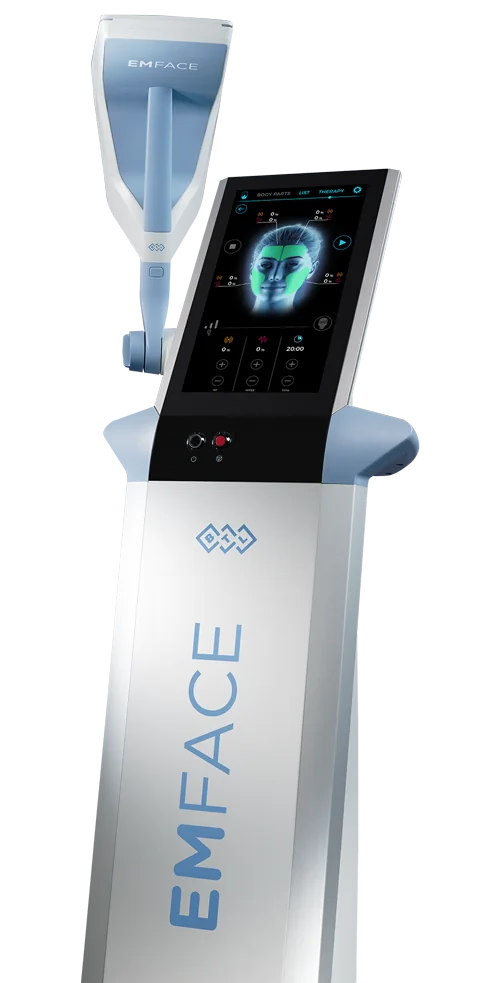
AP865's current official program lists EMFACE as a facial treatment combining radiofrequency and muscle stimulation. BTL describes synchronized RF and HIFES delivered through noninvasive, single-use surface electrodes, with warmth and repeated facial-muscle contractions during a session.
The platform name does not diagnose the reason a face looks tired, lax or less defined. Skin laxity, facial volume change, muscle function and expression pattern are different findings, and a physician may recommend another approach, staged care, observation or no treatment on a tightly timed trip.
Confirm which applicators and facial areas are proposed. A forehead-and-cheek plan should not be assumed to answer an under-eye or under-chin concern, and a device photograph does not prove that a particular visitor is suitable.
What the studies say—and what they do not say about travel
A 2025 prospective study enrolled 15 Asian adults with mild-to-moderate facial laxity. Participants received four weekly sessions to the forehead and cheeks. Treatment was generally well tolerated, and no serious adverse events were reported in that small cohort, but the study was not designed to determine when it is appropriate to board a flight.
Other prospective studies cited here also used four treatments: one followed 37 adults after upper-face treatment and another followed 10 adults with facial-muscle ultrasound. These studies measured appearance or tissue changes after a course; none compared cabin exposure, departure timing or access to post-treatment care.
Small studies can describe what happened to enrolled participants but cannot rule out every uncommon reaction or predict one person's response. Manufacturer language describing no recovery time should therefore be read as a general treatment description, not a guarantee that every traveler will feel unchanged.
Who should pause for a fuller screening
BTL's current Australian patient information says not to apply the relevant therapy when electronic or metal implants are present and says treatment should stop if the patient reports pain or excessive heat. The treating physician must check the current local labeling, implant type and complete medical history rather than rely on a website checklist.
The 15-person Asian study excluded people with implanted electrical devices and those with recent neuromodulator, filler, biostimulator, laser, light, monopolar RF or microfocused-ultrasound treatment in the target area. Those research exclusions are not universal waiting rules, but they show why prior procedure names, dates and exact areas belong in the consultation.
Postpone the decision when the proposed area has active inflammation, an unexplained rash, an open lesion, altered sensation or an unresolved reaction from another procedure. Also disclose facial surgery, neuromuscular conditions, medicines and any device or implant before treatment is considered.
- Bring the exact name, date and facial area for recent injectables and energy-based procedures.
- Identify electronic devices, metal implants and previous facial surgery before applicator placement.
- Explain any current pain, weakness, altered sensation, inflammation or skin injury.
- Share the flight, hotel, event and onward-travel dates before agreeing to treatment.
Expected sensations are not the same as warning signs
BTL describes a warming sensation and a facial-muscle-massage feeling during treatment. In the 15-person study, mean pain scores decreased from 3.5 during the first session to 1.6 during the fourth, and no serious adverse events were reported. That experience cannot be promised for every person.
Pain or excessive heat during treatment should be reported immediately rather than tolerated to finish the session. Afterward, a suspected burn or blister, severe or progressive pain, marked or increasing swelling, new persistent facial weakness or another response outside the written plan deserves prompt clinical assessment before boarding.
Breathing or swallowing difficulty, sudden neurologic symptoms or another emergency requires urgent local medical care rather than a remote message to the clinic. This guide cannot distinguish an expected sensation from a complication online.
Do not borrow a flight rule from a different procedure
EMFACE does not break the skin, inject a product or create the same wound as RF microneedling or surgery. A waiting interval written for another procedure cannot be transferred automatically simply because all of them are described as facial aesthetic care.
The CDC explains that commercial cabins are pressurized to the equivalent of roughly 6,000–8,000 feet and are dry, usually around 10%–20% humidity. Its air-travel chapter focuses on broader medical stability and does not provide an EMFACE-specific restriction. It should not be used to invent one.
The more relevant travel constraint is continuity. A same-day departure sharply reduces the time available for the treating clinic to reassess pain, heat-related injury, weakness or another unexpected response. Consultation only can be a thoughtful choice when the itinerary leaves no realistic review margin.
How AP865 can plan a private, recovery-aware visit
A private AP865 consultation should begin with the concern, facial examination, previous treatment record and travel responsibilities—not with pressure to fill a reserved appointment. The physician can then explain why EMFACE fits the assessed tissue, which areas would be treated and why another device or injectable is not being added automatically.
Leave with the device name, date, applicator areas, expected sensations, personal aftercare, warning signs and contact route in writing. Confirm which questions can be reviewed remotely and where to seek in-person care after leaving Korea.
If a longer course is proposed, schedule and continuity matter. Current facial studies used four sessions rather than a compressed series of appointments, so a short visit should not be used to force all treatments into one itinerary.
COMMON QUESTIONS
Before you book
Does EMFACE have an official no-fly interval?
No EMFACE-specific waiting period before air travel was identified in the current AP865, manufacturer, study and CDC sources reviewed. That absence is not personal medical clearance; the immediate response, medical history and access to follow-up still matter.
Can I take a same-day flight after EMFACE?
There is no evidence-based universal answer. A same-day departure leaves little time for local reassessment, so the treating physician should review the actual response and itinerary rather than use the noninvasive label as automatic clearance.
Does cabin pressure undo an EMFACE treatment?
No study identified for this guide tested whether cabin pressure changes EMFACE outcomes. Current air-travel guidance does not describe an EMFACE-specific mechanism or restriction, so claims that flying either reverses or improves the treatment would be unsupported.
What should I take home after EMFACE in Seoul?
Keep a written record of the exact device, date, applicator areas, expected sensations, warning signs, personal aftercare and clinic contact. Confirm which symptoms need in-person assessment and where to obtain care after departure.
SOURCES & FURTHER READING
Check the original information
- AP865 — official current program overview
- BTL Aesthetics — official EMFACE patient information (Australia)
- PubMed — 2025 EMFACE study in 15 Asian adults
- PubMed — 2025 synchronized RF and HIFES upper-face study
- PubMed — 2025 facial-muscle ultrasound pilot study
- CDC Yellow Book — air-travel medical considerations
Published October 26, 2026 · Last reviewed for factual accuracy October 26, 2026. Product availability, regulation and treatment protocols can change.